

African lawmakers back push for tougher anti-LGBT laws after Ghana conference


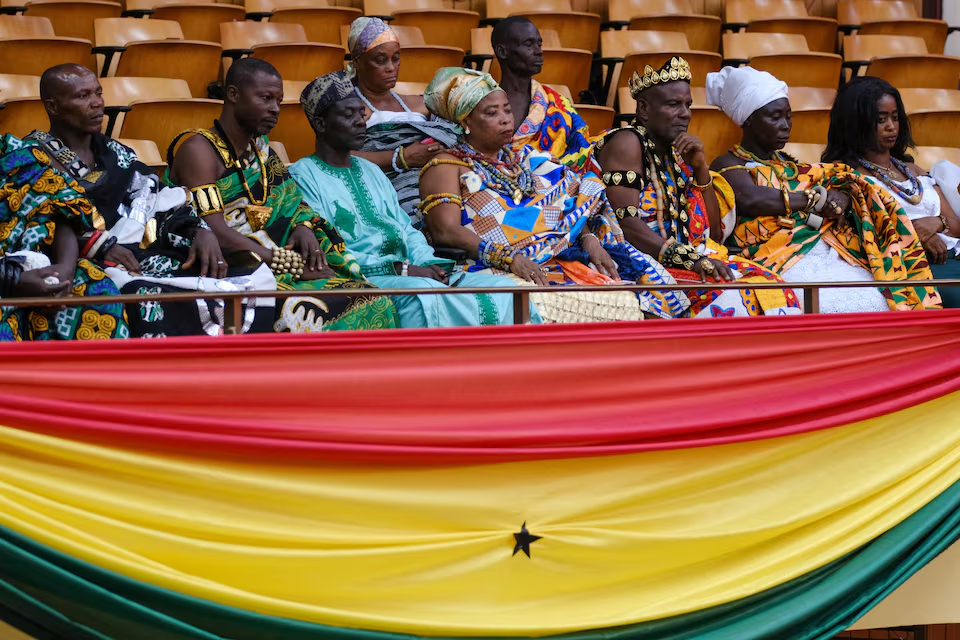
Lawmakers from over a dozen African countries have pledged to introduce new bills restricting LGBT rights following a conference in Ghana that brought together self-described “pro-family” activists from across Africa and Europe, participants have said.
The African Inter-Parliamentary Conference on Family Values and Sovereignty was held in Accra from June 3 to 6, coming just a week after Ghana’s parliament passed one of the continent’s strictest anti-LGBT proposals, including provisions criminalising the promotion of LGBT rights.
The gathering reflects a wider trend toward more restrictive legislation affecting LGBT people in parts of Africa, which attendees said is being encouraged by conservative figures in the United States and Europe. The momentum, they added, has increased since Donald Trump returned to the White House.
Some participants said the current US political climate presented an opportunity to advance their agenda, noting that the Trump administration does not actively promote LGBT rights in its foreign policy, unlike previous US administrations.

Opening the conference, Ghana’s Speaker of Parliament Alban Bagbin urged lawmakers to turn discussions into action.
“When you return to your respective capitals, let the resolutions we adopt here not gather dust in the archives of our secretariats. Let them be translated into active bills, robust budgetary allocations, and rigorous oversight,” he said.
He added: “Go home and tell your people that their representatives have resolved to protect the sanctuaries of their homes, the heritage of their ancestors, and the sovereignty of their nations.”
More than half of Africa’s 54 countries already criminalise same-sex sexual activity. In recent years, countries including Uganda and Senegal have gone further by passing laws targeting LGBT “promotion,” similar to legislation recently approved in Ghana.
Accusations of Western “ideological influence”
Conference organisers said lawmakers from 20 countries attended the meeting at Ghana’s parliament, though it remains unclear how many intend to pursue new legislation based on the discussions.
Reuters spoke with several participants and reviewed conference materials but could not independently verify claims of foreign funding or the extent of external influence on the agenda.
Sharon Slater, president of the US-based group Family Watch International, which has attended previous editions of the conference, did not attend this year but has been linked to earlier events.
Speakers also included Dutch activist Henk Jan van Schothorst, who urged African governments to resist efforts to ban so-called conversion therapy, describing such policies as “ideological colonisation” from the West.
A presentation by Kenyan doctor Wahome Ngare included controversial definitions linking sexual orientation and gender identity to abuse, statements that have drawn criticism from health and human rights experts.
The conference ended with the adoption of an “African Charter on Family, Sovereignty and Values,” drafted in earlier meetings in Uganda. The 32-page document calls on governments to withdraw from international agreements seen as promoting LGBT rights, abortion, or comprehensive sex education, and encourages national laws aligned with “African cultural values.” Lawmakers from 18 of the 20 countries reportedly endorsed the charter.
Health and rights concerns
Public health experts have warned that anti-LGBT legislation can discourage people from seeking medical care, particularly HIV treatment, due to fear of stigma or arrest.
In Senegal, for example, health workers have reported declines in clinic attendance amid increased arrests linked to debates over similar laws.
In Ghana, where the anti-LGBT bill is awaiting presidential approval, rights advocates say the political climate has already increased fear within LGBT communities.
A Ghanaian photographer based in Accra told Reuters: “I constantly self-censor, hide, watch my back. That’s not safety, that’s survival.”
Civil society organisations across Africa have urged President John Dramani Mahama to reject the legislation, warning that foreign-backed advocacy could influence domestic policymaking.
Meanwhile, some conference participants praised the shifting US political landscape, with Ugandan former MP Sarah Opendi saying: “Let us first thank the American people for voting for President Trump. The conversation in America today is different.”
Source: Reuters
About The Author


