
UNICEF reports five new poliovirus detections in Nigeria’s Niger State

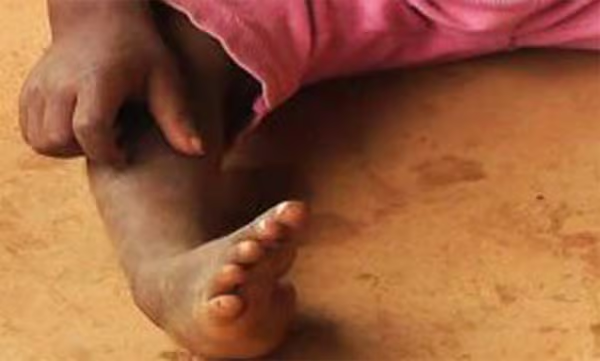
The United Nations Children’s Fund (UNICEF) has confirmed five poliovirus detections in Niger State, Nigeria, consisting of three samples from human cases and two identified through environmental surveillance, raising concerns about the continued spread of the virus.
The agency has called for stronger disease surveillance, increased community awareness and improved routine immunisation to contain the virus and help the state achieve polio-free status.
UNICEF made the disclosure on Wednesday during a mass mobilisation dialogue organised in partnership with the Niger State Primary Health Care Development Agency.
The agency’s representative, Mrs Grace Odeyemi, said the virus had been detected in Bida and Chanchaga Local Government Areas, urging residents to support vaccination efforts and surveillance activities.
She appealed to parents to ensure their children received polio vaccines and encouraged community leaders to participate in public education campaigns.
Odeyemi explained that health workers monitored children showing symptoms of paralysis and collected samples for laboratory testing to establish whether poliovirus or another condition was responsible.
She said routine immunisation remained a key part of efforts to eradicate the disease, adding that suspected cases were promptly reported to local surveillance officers for investigation.
She further noted that environmental surveillance helped health officials identify the virus in samples collected from the surroundings, even when no human infection had been confirmed.
According to her, the five detections comprised three from human samples and two from environmental testing conducted in Bida and Chanchaga.
The Niger State Immunisation Officer, Abubakar Usman, also confirmed the findings, saying the state had stepped up routine and emergency vaccination campaigns to protect children and prevent further transmission.
He said health authorities had conducted reactive vaccination in communities where the virus was detected to reduce the risk of infection among other children.
Usman added that officials were working with traditional leaders, community representatives and other intervention groups to educate residents on the importance of immunisation.
He attributed the continued circulation of the virus partly to inadequate routine vaccination and resistance to vaccines in some communities.
He explained that poor compliance with routine immunisation had created gaps in protection, making it necessary for health authorities to conduct targeted vaccination campaigns.
The latest detections come months after Niger State recorded three additional polio cases in Magama and Mariga Local Government Areas, prompting authorities to intensify surveillance and community engagement.
In June 2026, health officials, UNICEF and other partners also held engagements with traditional and religious leaders to strengthen efforts to prevent the spread of the virus.
Although Nigeria was certified free of wild poliovirus in August 2020, circulating variant poliovirus continues to pose a public health threat, particularly in communities with low vaccination coverage.
The World Health Organisation has consistently urged countries to strengthen routine immunisation and disease surveillance to prevent further transmission.
About The Author


