
UN food agency chief warns wars jeopardize food aid for 7.3 million more people

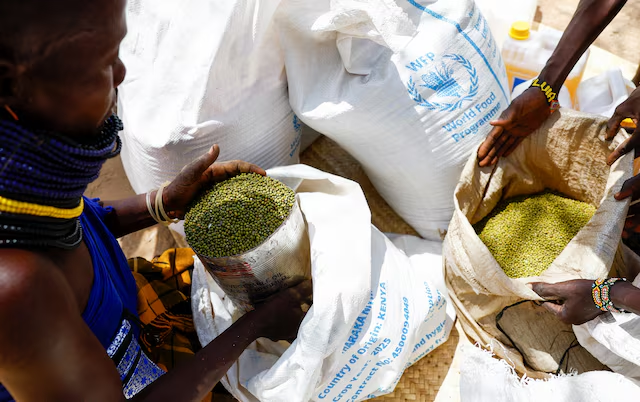
World Food Programme (WFP) Executive Director Luke Lindberg has warned that disruptions to major shipping routes caused by conflicts in the Middle East and Ukraine could increase the agency’s operating costs by $727 million by mid-2027, potentially affecting food assistance for an additional 7.3 million people.
Addressing the United Nations Security Council on Monday, Lindberg said restrictions on the movement of food exports and agricultural inputs through the Strait of Hormuz, the Bab el-Mandeb Strait and the Black Sea were worsening the global food crisis. He added that climate-related challenges, including El Niño, were further compounding the situation.
Lindberg, who was appointed in September by US President Donald Trump to lead the world’s largest humanitarian organisation, described the potential impact as alarming.
“It’s an unthinkable scenario, and it could not come at a worse time,” said Lindberg, a former US agriculture official.
He noted that approximately 266 million people worldwide were already experiencing acute hunger, while parts of Sudan, South Sudan and Somalia faced the threat of famine.
He stressed the need to resolve disruptions in the Black Sea region, which is a major global grain-producing area and an important source of food supplies for countries such as Somalia and Yemen. Yemen relies on imports for about 90% of its food requirements.
According to Lindberg, the United Nations Food and Agriculture Organization’s food price index reached a near four-year high in September, while wheat prices had increased by almost 10% since January.
He added that rising energy and transportation costs were pushing up food prices, particularly in countries that depend heavily on imports and are already struggling with food insecurity.
Lindberg also warned that global fertiliser shortages could reduce agricultural production in the next planting season. He said approximately 30% of the world’s fertiliser supplies pass through the Strait of Hormuz, making disruptions along the route particularly concerning.
He explained that the ongoing conflicts were already affecting the WFP’s humanitarian operations, which provide assistance to more than 100 million people across 83 countries annually.
Despite the agency’s extensive supply chain operations, he said it had been unable to escape the effects of rising transportation and commodity costs.
Lindberg warned that the additional expenses were directly reducing the resources available for humanitarian assistance, leaving the organisation with less food to distribute to vulnerable families.
About The Author


