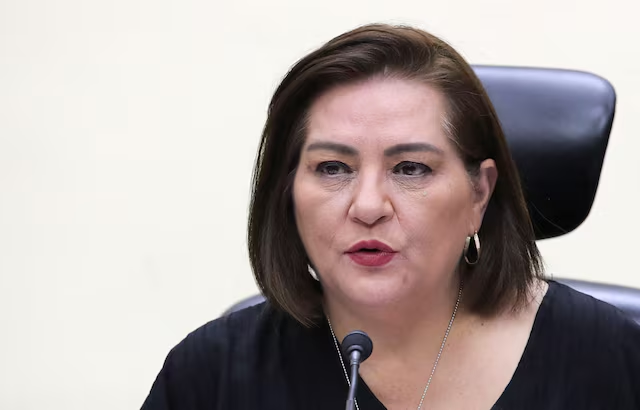
GHS conducts Ebola simulation exercises as Ghana steps up preparedness


The Ghana Health Service (GHS) says it has activated its Ebola preparedness measures and conducted simulation exercises to strengthen the country’s capacity to respond to a possible outbreak.
The Director-General of the GHS, Dr Samuel Kaba Akoriyea, said the Service was closely monitoring developments in affected countries and working with relevant institutions to assess potential risks to Ghana.
He said surveillance and emergency planning had been intensified following reports of Ebola outbreaks in parts of Africa, including the Democratic Republic of the Congo (DRC) and Uganda, as well as concerns about possible cross-border transmission.
Speaking on Joy News’ PM Express on Monday, October 26, Dr Kaba Akoriyea said Ghana remained in the preparedness phase and was testing its response systems through simulation exercises.
He explained that the spread of the disease from the DRC and Uganda to Kenya and subsequently Nigeria had heightened concerns, particularly because of indirect air travel connections between the affected countries and Ghana.
The GHS Director-General added that he remained in regular contact with health officials in those countries to obtain updates on the situation.
Emergency Operations Centre on Alert
Dr Kaba Akoriyea said the GHS was relying on its Public Health Emergency Operations Centre at Pantang to monitor international health developments and coordinate preparedness activities.
According to him, the centre operates 24 hours a day, enabling health officials to track emerging threats and respond to developments that could pose risks to Ghana.
He said the Service had conducted about three simulation exercises since concerns about the outbreak in Kenya emerged, adding that preparedness activities began earlier when cases were reported in the DRC.
The exercises are designed to test the readiness of institutions to respond to a public health emergency, including identifying and managing suspected cases, coordinating communication between agencies and mobilising the necessary resources.
33 Agencies Involved in Preparedness
Dr Kaba Akoriyea said Ghana’s Ebola preparedness efforts involved approximately 33 institutions across different sectors, reflecting the need for a coordinated national response in the event of an outbreak.
He said he had participated in meetings involving agencies responsible for education, security, social welfare, local government and emergency management.
Among the institutions involved are the Food and Drugs Authority, the National Disaster Management Organisation (NADMO), the National Commission for Civic Education, the Ghana Education Service, the Veterinary Services Department, the National Peace Council and the Ghana Armed Forces.
The participation of these institutions is expected to strengthen coordination in emergency response, public communication, security, logistics and the management of people who may be affected by a health emergency.
Cross-Border Cooperation
The GHS Director-General also disclosed that Ghana was collaborating with neighbouring countries to strengthen cooperation on infectious diseases and other health threats that could spread across borders.
He cited recent engagements with health officials in Burkina Faso and Côte d’Ivoire, as well as a tripartite meeting held to exchange information, assess developments and discuss possible responses.
Dr Kaba Akoriyea stressed that such engagements were important because of the movement of people across national borders and the need for timely information sharing among countries.
He said the meetings enabled health authorities to compare developments in their respective countries and coordinate measures to address potential health threats.
About The Author