Poverty for hire?

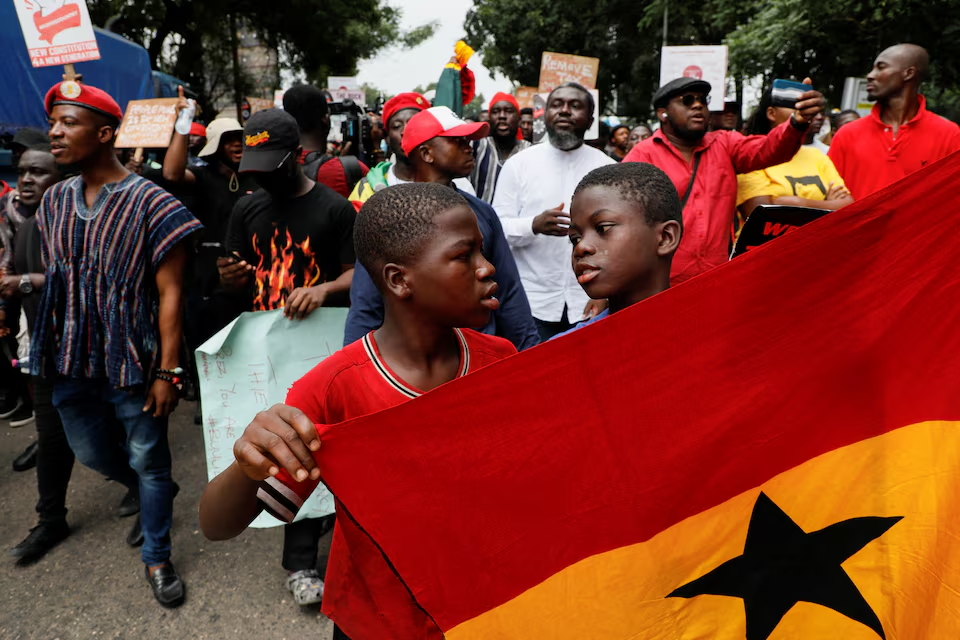
Yesterday’s protest at the Economic and Organised Crime Office (EOCO) over the arrest of Dennis “Miracles” Aboagye raised an uncomfortable question about politics in Ghana.
At first glance, the gathering appeared to be made up of passionate supporters demanding the release of a political figure. However, conversations with several protesters painted a different picture. Some admitted they did not know who had been arrested or why they were protesting. Their motivation, they said, was simple: GHC150, fuel for their motorbikes, and a meal.
One rider openly stated that he came because he needed money to buy food for the night. Others echoed similar sentiments. For them, the protest was not about politics, justice, or principle, it was about survival.
Whether the organisers were members of the NPP or not is beside the point. The bigger issue is that Ghana’s worsening economic conditions have created a class of people so desperate for income that they are willing to join any demonstration, defend any cause, or confront security personnel for a relatively small amount of money.
When citizens protest, it should be because they believe in a cause. When people show up primarily because they need money to eat, the line between genuine political activism and economic exploitation becomes dangerously blurred.
Perhaps the real story is not what happened at EOCO. Perhaps the real story is that in a country where GHC150 can buy loyalty for a day, poverty itself has become a political tool.
About The Author