
Seven Americans quarantined at Kenya Ebola facility

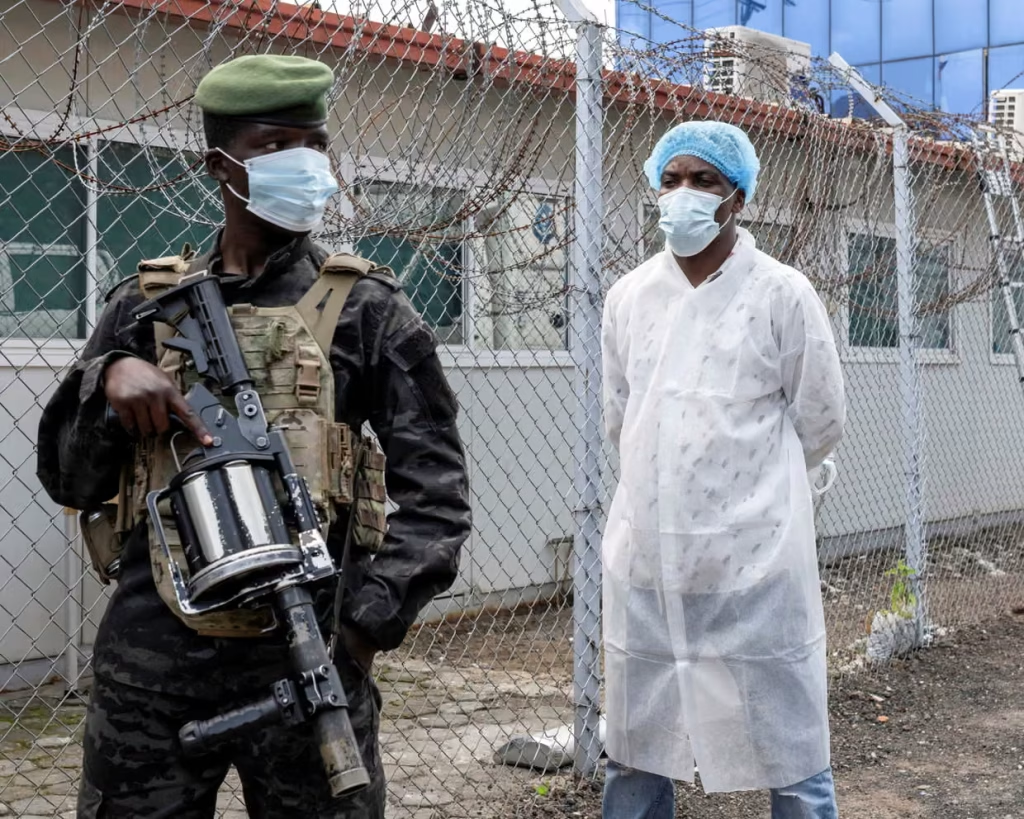
A group of seven American humanitarian workers assisting with Ebola response efforts in Central Africa has been placed under quarantine in Kenya, marking the first known use of a newly established isolation centre that has generated significant controversy in the East African country.
The aid workers, who had been deployed to the Democratic Republic of the Congo during the ongoing Ebola outbreak, are being monitored for 21 days before they can return to the United States under recently introduced American travel protocols.
Their arrival at the facility places renewed attention on a project that has become the subject of public criticism and legal disputes in Kenya, where some citizens and activists have questioned the country’s role in hosting individuals potentially exposed to the virus.
The workers are employed by Samaritan’s Purse, a US-based humanitarian organisation heavily involved in Ebola treatment and containment operations in Congo. The group’s president, Franklin Graham, said none of the seven individuals had shown symptoms of infection.
“Samaritan’s Purse has seven American Disaster Assistance Response Team staff members there,” Graham said.
“None of them have any symptoms, but they are being quarantined by the Kenyan government for 21 days.”
US officials described the move as a precautionary measure linked to new entry requirements for Americans returning from Ebola-affected regions. Under the policy, individuals who may have been exposed to the virus must first complete a monitoring period outside the United States.
While officials insist the workers are healthy, reports indicate at least one member of the group may have had a potential high-risk exposure during operations in Congo. The quarantined team includes both frontline responders and support personnel involved in logistics and infrastructure work.
The development comes as international health agencies continue efforts to contain the Ebola outbreak, with aid organisations, medical teams and governments working to prevent further spread of the deadly disease across the region.
Source: The Guardian
About The Author


